Posts

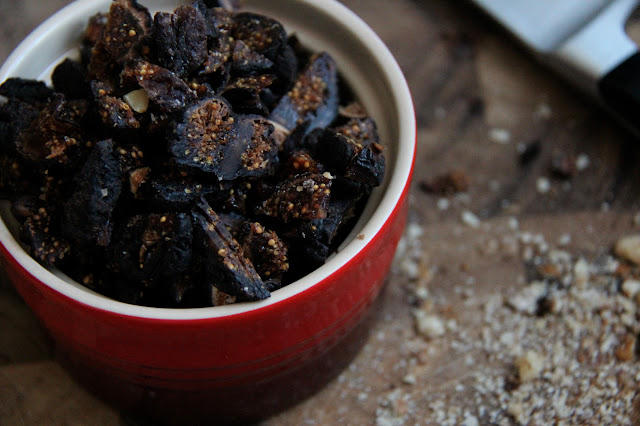
Fig & Walnut Bread (Grain & Gluten-free)
Image
One thing about not eating grains and gluten is you miss out on a lot of baked goods, which at the end of the day is a very good thing for your gut. That said, we all deserve treating ourselves and who doesn't like bread? Although bread has been infrequent in my diet for the last several years, occasionally I'll get the craving for a nice nutty piece slathered in butter. Luckily, there are ways to make it happen--guilt and tummy ache-free. Almond and coconut flour are commonly used in baking grain-free/paleo recipes, and I can attest that they do the trick. I've experimented with several recipes over the last couple of years and was pleasantly surprised (and pleased) for having an alternative way to make treats like bread and baked goodies. Now make no mistake, nut flours are high in omega- 6 fat which can cause inflammation and other health issues when consumed in excess. Not to forget they also contain anti-nutrient phytic acid, which I spoke about in a previous pos...

DIY Almond Butter

Image
I LOVE almond butter. I can happily take a spoonful straight from the jar or put it on a banana, apple or square of dark chocolate and find myself completely satiated. Here in Hong Kong (or anywhere for that matter), purchasing organic almond butter can definitely put a dent in the wallet, encouraging me to get my tail in the kitchen and make my own. By making your own almond butter--or any nut butter--you get control (fist bump!) on what goes into it and how creative you want to make it. Try combinations like pecan/almond, walnut/pumpkin seed & cashew/macadamia. Yummy! A lot of nut butters out there are full of hydrogenated oils and refined sugars, which is a good reminder to READ YOUR INGREDIENT LABELS. I digress. I can assure you that you will be pleased with your own version and it will taste better than any store bought jar. It's pretty simple to make. Actually, it's ridiculously easy so let's get to it. If you haven't checked out my previous post on soakin...

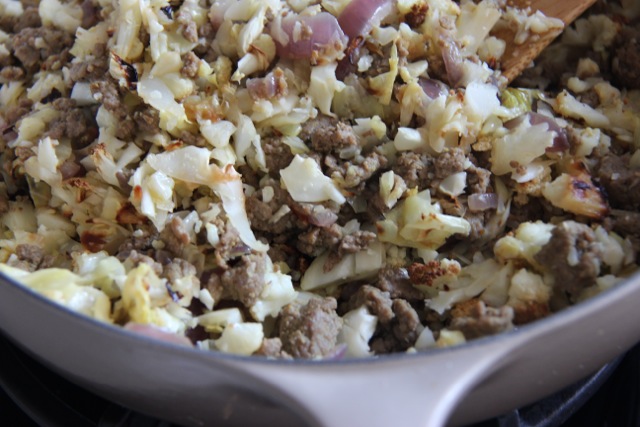
Cauliflower & Lamb Hash

Image
The thing I love about making a delicious hash is that you really can't mess it up. You have the freedom to choose from a variety of meats or veggies, and it doesn't need to look pretty. It is a no stress recipe. What's not to love? I'm doing some healing work on my digestive system and currently not consuming grains or starchy vegetables. That said, I opted to go sans potatoes and what did I use instead? Insert cauliflower. Cauliflower is a great replacement for starchy vegetables. It's flavor is mild and with its rice like texture it can go with just about anything. Cauliflower is a member of my beloved cruciferous family like broccoli, cabbage, brussel sprouts and kale. This spongy, cream colored veggie is a great source of Vitamin C and K (crucial for proper blood clotting & maintaining good bone health), and contains a decent amount of B complex vitamins like folate, B5, B6 along with minerals like potassium and manganese. With its anti-inflammatory, anti...

Ghee (Clarified Butter): Benefits + DIY Recipe

Image
If there is one thing I love more than coconut oil, it is ghee. Also known as clarified butter or butter oil, ghee is loaded with nutritional benefits and is a must-have item to use in the kitchen. For those of you who are intolerant to dairy, you'll likely be able to handle ghee just fine as the milk proteins (casein and lactose) are removed in the process. More often than not, those who are sensitive to dairy have no issues with ghee for this reason alone. Ghee has been used for thousands of years in India for both cooking and medicinal purposes. It has anti-inflammatory and anti-oxidant properties, and also contains butyric acid and conjugated linoleic acid, which are known for having anti-viral and anti-carcinogenic properties. Grass-fed ghee yields more omega 3s than omega 6s, but if you can't find grass-fed/pasture raised opt for organic butter (because we don't want to consume the hormones, antibiotics and pesticides from non-organic). Ghee also aids your immune sy...

Move your body!

Image
Groggy from a heavy night's sleep, I decided to take a stroll to wake up and meditate outside for a change. The sun had just broke for the day and there was a slight warm breeze in the air-perfect weather for being outside. As I meandered around the park towards Victoria Harbour, I was in awe of all the various types of movement that surrounded me. People were doing martial arts, stretching, body tapping, pebble trail walking, dancing. I even saw a woman doing nadhi sodhana (alternative nostril breathing- yogic breath)! The most beautiful part of all of these motions were that they appeared to be very instinctive as if they were expressing themselves from the inside out, and the energy in the air was palpable. Traditional Chinese Medicine refers to energy as qi or chi, and ayurveda refers to it as prana-also known as life force. We are in fact energy bodies completing an integrated system of mind, body and spirit. Crazy, I know, but it's true. When we are aware of our br...

Super Green Goodness

Image
Everything in this juice is green and it includes broccoli. YES-You can juice broccoli. And, YES it taste delicious. I promise. I am a firm believer that you can juice just about any fruit or vegetable in some combination and make it delicious. I was thumbing through my big book of juices the other day looking for inspiration to throw into my new juicer, and found a number of recipes for juices with broccoli. Although I am a big fan of broccoli, I had never thought about juicing it. I typically shoot for veggie juices and occasionally include a piece of fruit or two, but broccoli had not made an appearance in my juicing experience...until today. Broccoli is almost always hanging in my fridge ready to be of service, so I decided it was due time to try it out in a juice. As it goes, I ended up making a tasty combination with what I had available in my fridge. I was super pysched with the results and am looking forward to playing around with other broccoli variations. This one is sa...

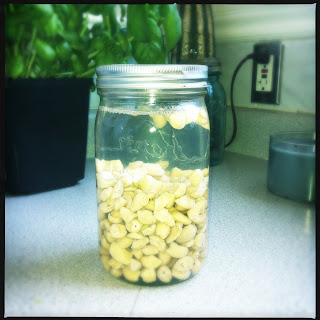
significance of soaking

Image
Soaking: nuts, seeds, grains and legumes Maybe you have heard about soaking and aren't quite sure what it's all about, perhaps it seems like too much work, OR you have no idea what I am talking about. Now, hopefully I have you wondering... "What's the deal with this soaking business?" "Why do we need to soak?" Well as nature has it nuts, seeds, grains and legumes contain phytic acid and enzyme inhibitors, which keep the seed protected until the right growing conditions (that would be sufficient rain and sunshine) are available for it to sprout into a plant. Phytic acid, also know as phytate, is the storage form of phosphorous in plants and is present in the out layer in most seeds, nuts, grains and legumes. Humans, unlike ruminating mammals (cattle, goats and sheep)-aren't able to digest phytates. The other trouble with phytic acid is that is has a tendency to bind to vitamins and minerals- like calcium, magnesium, iron and zinc-and block their abs...